
The Image Is the Invitation

Why professional photography still matters in the performing arts

For more than thirty years, I have stood in the dark with a camera in my hands, watching something fleeting come to life on stage.
A moment. A gesture. A look between actors that exists for a heartbeat and then disappears.
That is the nature of theatre. It is alive, and then it is gone.
Photography is what remains.
But lately, I have been watching something else disappear. Not the performances, but the value placed on how they are seen.
More and more arts organizations are relying on volunteers, board members, or whoever happens to have a phone in their hand to document their work. It is understandable. Budgets are tight. Priorities are shifting. Survival has required hard choices.
But this is one of those choices that quietly costs more than it saves.
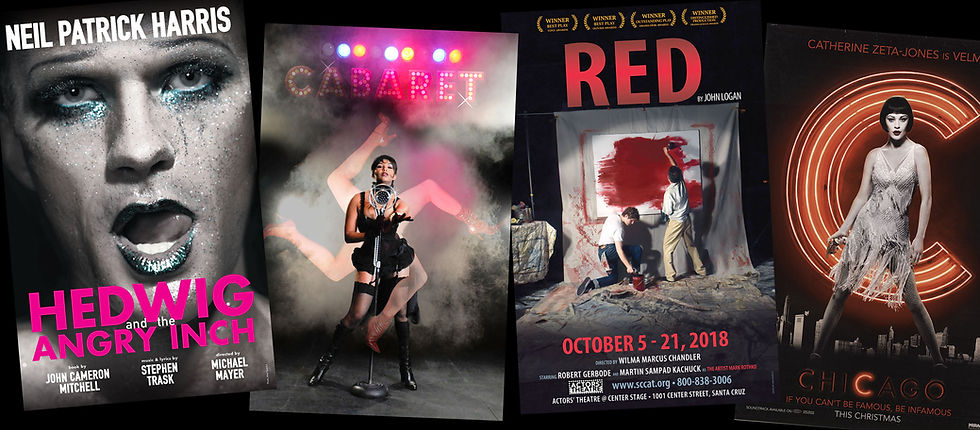
Because the image you put out into the world is not an afterthought.
It is the invitation.
It is the very first experience a potential audience member has with your work.
Before they read a review. Before they visit your website. Before they decide whether your show is worth their time, their attention, and their money.
They see the image.
And in a fraction of a second, they decide what they believe about you.
Does this look compelling? Does this feel professional? Do I want to be in that room?
Strong, intentional photography does more than document a performance. It translates it. It captures emotion, tension, humor, scale, intimacy. It gives shape to something that is otherwise impossible to hold onto.
It tells your audience, this matters.
And when it is done well, it does something even more important. It builds trust.
I have seen this firsthand, again and again. In my years working both as an arts marketer and a performing arts photographer, I have helped sell out productions before they even opened. Some were excellent. Some were still finding their footing.
What made the difference was not the budget or the name recognition.
It was the imagery.

The right image creates desire. It gives an audience something to lean toward. It suggests an experience they do not want to miss. It draws them in before a single line is spoken on stage.
We all know this, even if we don’t say it out loud. We have all scrolled past something that looked flat, poorly lit, or disconnected and felt no pull to learn more.
That is not just a missed photo.
That is a missed seat.
On the other hand, when the imagery is strong, when it is alive with intention and craft, it elevates everything around it. Your marketing becomes more effective. Your press coverage has stronger visual support. Your posters and postcards carry weight. Your social media stops people mid scroll.
And beyond all of that, there is something deeper at stake.
Photography becomes your archive. Your history. The visual record of the work you are creating right now.
Years from now, when someone looks back at your company, what will they see?
Will they see work that feels vibrant, important, and fully realized?
Or will they see a scatter of inconsistent images that fail to reflect what actually happened on your stage?

This is not about perfection.
It is about preservation.
So why has professional photography been pushed aside?
Part of it is access. Everyone has a camera now. It creates the illusion that photography is easy, interchangeable, and always available.
Part of it is financial pressure. When budgets tighten, anything that feels non essential gets cut.
But here is the truth.
Your imagery is not an extra.
It is infrastructure.
It supports your ticket sales. Your fundraising. Your branding. Your press relationships. Your legacy.
Without it, everything else works harder.
The good news is that this does not have to be an all or nothing decision.
There are ways to bring professional photography back into the conversation without overwhelming a budget.
Prioritize key productions rather than trying to cover everything.
Plan for fewer shoots, but make them count.
Build relationships with photographers who understand your work and your audience.
Include photography in your planning from the beginning, not at the end.
Treat it as part of your marketing, not separate from it.
Most importantly, shift the mindset.
From “Can we afford this?” To “Can we afford not to?”
Because what you show the world is how the world understands you.
And the artists on your stage deserve to be seen at the level they are creating.
This is not just about photographers being paid for their work.
It is about honoring the work itself.
The performance may be fleeting.
But the image is what carries it forward.
If you’re part of an arts organization and this resonates, I’d love to start a conversation about how imagery can better support your work.
Title Image: Santa Cruz Shakespeare's "Midsummer Night's Dream," 2016.

Comments